
Server vs cloud software: Which practice management system is right for you?
Get the pros and cons of cloud- and server-based practice management systems so you can make an informed decision for your business!
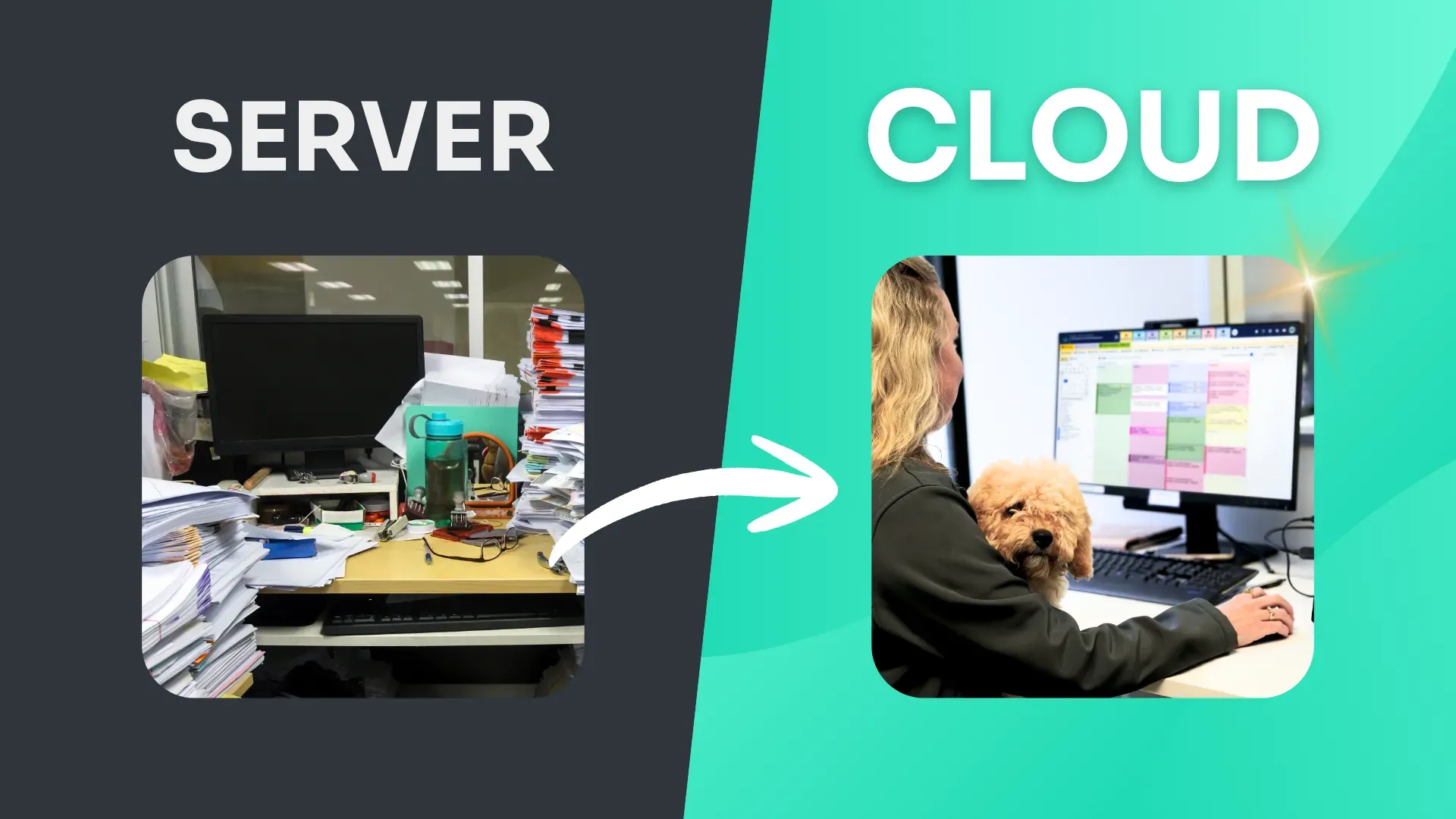
Choosing the right practice management software can be a big deal for veterinary practices. It’s not just about finding a tool to schedule appointments or manage billing. It’s about streamlining operations, improving patient care, and ensuring your practice runs smoothly as it grows.
One of the first decisions to consider is whether you want a cloud-based or a server-based system. This blog post will help you navigate the pros and cons of each option, so you are better informed to make the best choice for your practice.
Key takeaways
Cloud-based software runs on remote servers accessed via the internet, while server-based software runs on physical servers located within your clinic.
Cloud-based software can offer flexibility, scalability, and remote access, making it beneficial for modern veterinary practices focused on efficiency and growth.
The best choice depends on your practice’s unique needs, including your budget, operational requirements, growth plans, and technology preferences.
Cloud vs. Server: What’s the difference?
Before we go any further, let’s take a second to define what cloud-based and server-based systems are.
Cloud-based software
Cloud-based veterinary practice management software runs on remote servers accessed via the internet, rather than being installed and operated on local computers or servers. The software and data are hosted and maintained by a third-party provider, allowing users to access it from any device with a web browser and internet connection.
This approach eliminates the need for local installations or in-house hardware. If you’ve ever used Gmail, Google Drive, or an online banking app, you’ve already experienced the convenience of cloud-based systems.
Server-based software
Server-based veterinary practice management software relies on physical servers located within your clinic. This software must be installed directly on local devices, similar to how you might install Windows or Microsoft Office on your computer. All data is stored on-site.
Deep dive into cloud and server differences
Now that we have a good understanding of what cloud- and server-based systems are, let’s take a deeper look at how they compare.
1. Cost
Cloud: Cloud-based systems typically operate on a subscription model with predictable monthly or annual fees. You may not need to invest in physical hardware, significantly reducing setup costs. Plus, you may reduce spending on IT maintenance. Think of it as spreading the cost over time rather than getting hit with one larger bill.
Server: Server-based systems can require a significant upfront investment in equipment and installation, typically measured in the tens of thousands of dollars. There are also ongoing IT support expenses to consider, as well as upgrade costs to replace server infrastructure as your hardware ages.
2. Accessibility
Cloud: A key advantage of cloud-based practice management software is accessibility. Whether you’re at the clinic, at home, or on the road, you can log in from any internet-connected device and get your work done. Multi-location practices? No problem. Everyone can access the same system in real time.
Server: With a server-based system, access is usually limited to on-site locations. There are ways to set up remote access via VPN, but it often involves extra costs and technical challenges.
3. Maintenance and updates
Cloud: With cloud-based software, updates happen automatically behind the scenes. You don’t have to lift a finger or worry about staying current. The provider handles everything, from security patches to feature rollouts, so you can be confident that you have access to current software updates and features.
Server: Server-based systems demand more hands-on care. Updates need to be manually installed, backups need to be managed, and you’ll likely need IT support from a third-party provider to keep everything running smoothly. System updates are often costly and require significant downtime, which can further affect your bottom line.
4. Security
Cloud: Security can be a top concern for any veterinary practice. Many cloud providers invest significantly in security controls, including encryption, professionally managed data centers, and disaster recovery capabilities designed to support business continuity. However, security outcomes depend on both the provider’s controls and the customer’s security practices.
Server: With server-based systems, the practice is primarily responsible for implementing and maintaining security measures, including firewalls, backups, and cybersecurity protocols. Additionally, physical threats such as floods, fires, and vandalism can potentially cause disruption if appropriate safeguards are not in place.
5. Scalability
Cloud: Cloud-based systems may offer greater flexibility for many practices. Growing your practice? Cloud-based systems can scale up (or down) as needed. Adding a new location or more users is as simple as upgrading your subscription.
Server: With server-based systems, performance is tied to the hardware you’ve invested in. As your business grows, there’s a good chance you’ll need to purchase and install additional hardware to meet demand, which can be expensive and disruptive.
6. Reliability
Cloud: Historically, one of the main concerns of using a cloud-based system has been loss of internet connectivity. These days, however, this is an easy risk to mitigate. For example, in addition to your main broadband connection, you could invest in a failover 4G or 5G mobile connection. This means that even in the rare situation that your broadband goes down, your connection will likely switch over to your mobile connection automatically until your broadband comes back online.
Server: Server systems aren’t internet-dependent, so they’re immune to connectivity issues. However, hardware failures or local disasters can still put them out of commission.
The cloud advantage
Cloud-based software can offer a number of advantages that many veterinary practices find valuable, particularly those looking for flexibility, accessibility, and reduced infrastructure management. However, cloud and server-based systems each offer different benefits, and the right fit will depend on a practice’s individual needs and priorities. Here are some commonly cited advantages of cloud-based software:
Minimal hardware requirements: Any device with a web browser and internet connection works. There is no need for expensive hardware or complicated setups. Check out the ezyVet system requirements.
Access from anywhere, anytime: Whether you’re at the clinic, at home, or even bumping into a client at the supermarket, you can manage bookings and patient data on the spot.
Built-in data backups: Your data is backed up in multiple locations to help protect against disruptions and support data recovery in the event of an incident.
Seamless, automatic updates: Updates happen behind the scenes. Reduced IT intervention and faster access to software improvements.
Thriving cloud ecosystem: The cloud connects seamlessly with other tools and services, making integrations with new products easy. This means your software evolves alongside your practice. Check out the full list of ezyVet integrations.
Future-proof technology: Cloud-based systems can help practices adapt to changing technology requirements. Depending on the solution selected, practices may have access to evolving capabilities such as AI-enabled features, data insights, and scalability options. Regular updates may help practices stay current with changing operational and technology needs.
Discover how this Kentucky-based practice transformed its daily processes after moving from the server to the cloud.
Frequently asked questions: Cloud or server veterinary software
1. What is the difference between cloud-based and server-based veterinary practice management software?
Cloud-based software is hosted online, and can offer flexibility, remote access, automatic updates, and scalability. Server-based software is hosted locally, requiring on-site hardware and maintenance, offering offline functionality but limiting accessibility.
2. Is cloud-based veterinary software secure?
Many cloud-based systems implement advanced security measures, including encryption, regular backups, and 24/7 monitoring, to protect sensitive client and patient data.
3. Which is more cost-effective: cloud or server veterinary software?
The long-term cost of either approach depends on factors such as hardware, maintenance, IT support requirements, subscription fees, and the specific needs of the practice.
4. How do I choose the best practice management software for my veterinary clinic?
Consider your clinic’s internet reliability, budget, need for remote access, growth plans, and the ease of integrating other tools. Cloud-based systems may appeal to practices seeking remote access, scalability, and reduced infrastructure management, while server-based systems may suit practices that prefer local hosting or operate in areas with limited internet access.
Conclusion
At the end of the day, the decision between cloud-based and server-based veterinary practice management software boils down to your specific needs, priorities, and vision for your practice. Both approaches offer advantages, and the right choice depends on factors such as accessibility requirements, IT resources, growth plans, and operational preferences.
For practices that value remote access, scalability, and reduced infrastructure management, cloud-based software may be an attractive option. Practices that prefer direct control over their technology environment may find a server-based approach better aligned with their needs. Taking the time to evaluate both options can help ensure you select a solution that supports your clinic today and into the future.
While every practice’s needs are different, many veterinary clinics evaluating long-term growth, multi-location workflows, remote access, and reduced infrastructure management choose to explore cloud-based solutions. If you’re considering whether cloud software could support your goals, the next step is seeing how it works in practice.
Ready to make the switch?
If cloud-based system sounds like the right fit for your practice, we’re here to help. Our software is designed to take the stress out of managing your clinic, so you can focus on what you do best: caring for your patients.
Want to see how it works? Book a demo today and experience the difference for yourself.


